Lighting often shapes how a room feels more than any other design element. A carefully chosen lamp can soften sharp corners, create a sense of intimacy, and highlight the textures that make a space feel thoughtfully designed. Among the many decorative lighting styles available today, Turkish floor lamps have become a favorite for people who enjoy interiors with a touch of artistry and warmth.
These lamps are known for their colorful glass mosaics, softly diffused light, and decorative metal bases. Rather than producing harsh overhead illumination, they create a gentle glow that adds depth and atmosphere to a room. For homeowners who want their living spaces to feel cozy yet visually interesting, this type of lighting often fits beautifully into the overall décor.
Turkish floor lamps appeal to a wide range of interiors—from eclectic apartments to calm, neutral homes that need a hint of color. They also work well in rooms where layered lighting is important, such as reading corners or relaxed living areas.
Over time, many people discover that a single decorative lamp can quietly become one of the most beloved details in a room. It is often the piece that visitors notice first, even though it was chosen simply to add a little warmth to the space.
What Is a Turkish Floor Lamp?
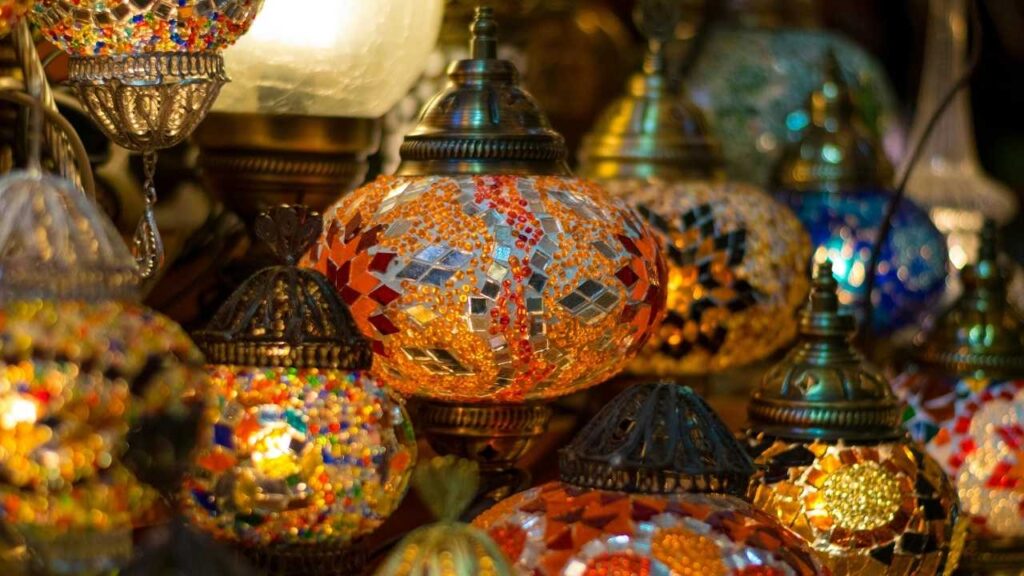
A Turkish floor lamp is a decorative standing lamp inspired by traditional lighting styles found throughout Turkey and neighboring regions. These lamps are especially recognized for their mosaic glass shades, which are often handcrafted using small pieces of colored glass arranged into intricate patterns.
The design blends functionality with decorative craftsmanship. While the lamp provides practical lighting, it also acts as a striking visual feature within a room.
Cultural and Design Background
Traditional Turkish lighting techniques date back centuries and reflect a blend of Middle Eastern, Mediterranean, and Central Asian influences. Mosaic lamps became popular in homes and marketplaces where warm ambient lighting was valued for both beauty and practicality.
Over time, the design evolved into various forms, including hanging lamps, table lamps, and the tall floor lamp version commonly used in modern homes.
Common Materials
Turkish floor lamps are typically made using a combination of decorative and durable materials:
- Hand-cut glass pieces forming the mosaic shade
- Colored glass beads for pattern accents
- Brass or metal bases for structure and stability
- Metal filigree detailing around the lamp holder
Each lamp shade often features a unique pattern, which gives the piece an artistic quality.
Popular Styles
Several variations are commonly found:
- Single globe mosaic lamps
- Multi-globe floor lamps with branching arms
- Lantern-style designs with patterned metalwork
- Tall narrow shades with geometric patterns
Some designs focus on rich colors such as deep red, sapphire blue, or emerald green, while others use softer pastel mosaics that blend easily with modern interiors.
Functional and Decorative Purpose
Turkish floor lamps serve two main roles:
- Ambient lighting that softens a room’s atmosphere
- Decorative statement pieces that introduce cultural design elements
Because the glass mosaics diffuse light rather than emit it directly, the result is a calming glow that complements cozy living spaces.
How It Enhances Your Home Ambience
Decorative lighting works best when it contributes to the emotional atmosphere of a room. Turkish floor lamps excel in this area because they combine color, texture, and soft illumination.
Lighting Impact
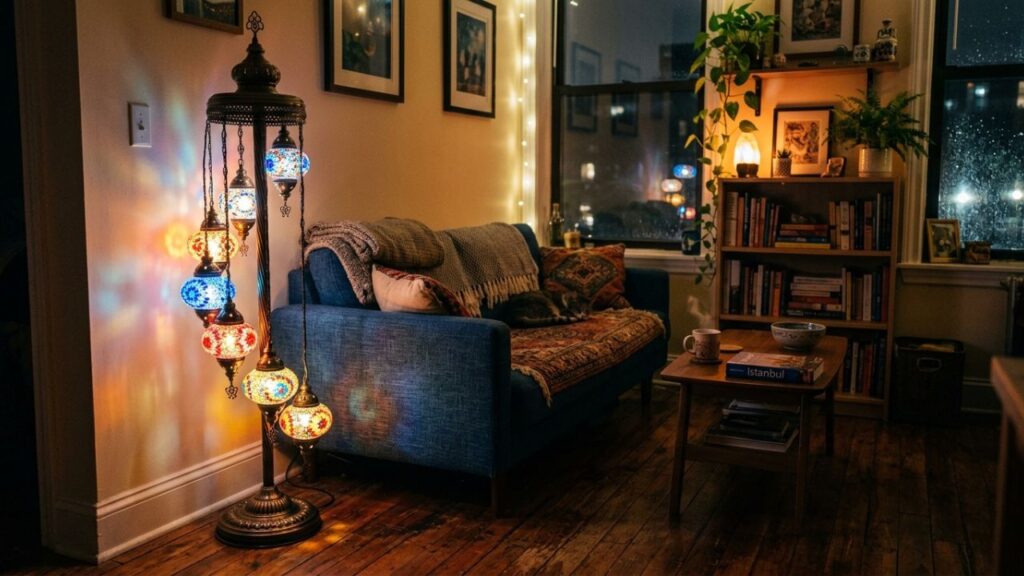
The mosaic glass scatters light in a gentle way, creating patterns and reflections on nearby walls. This effect reduces harsh shadows and makes a room feel more relaxed during evening hours.
Instead of bright task lighting, the lamp offers a layered glow that complements other light sources such as ceiling lights or table lamps.

Texture and Visual Balance
Interior styling often benefits from mixing materials. Turkish lamps naturally introduce:
- Glass mosaics
- Metal detailing
- Subtle reflective surfaces
These elements add depth to rooms that might otherwise rely only on fabric or wood.
[Image suggestion: Close-up of colorful mosaic glass pattern on a Turkish floor lamp]
Emotional Comfort
Warm lighting can influence how comfortable a room feels. A soft lamp placed near seating areas encourages a slower pace—perfect for reading, conversation, or quiet evenings.
Many designers refer to this effect as atmospheric lighting, which focuses more on mood than brightness.
Design Layering Principles
Layering is an important concept in interior styling. Rather than relying on one strong light source, designers often combine several.
A Turkish floor lamp fits easily into this layered approach by providing:
- Accent lighting
- Decorative height in a room
- Visual contrast against neutral walls
When balanced with other lighting sources, the room feels both functional and inviting.
Buying Guide – What to Look For
Choosing the right Turkish floor lamp involves more than selecting a color pattern. Size, materials, and placement all affect how well the lamp works in a space.
Size Considerations
Start by thinking about the scale of your room.
- Small apartments: Slim lamps or single-globe designs work best.
- Medium rooms: Multi-globe lamps can create visual interest.
- Large spaces: Taller or more elaborate designs help anchor seating areas.
A lamp that is too large can overwhelm a small room, while one that is too small may disappear visually.
Materials Comparison
Most lamps share similar materials, but quality can vary.
Glass Mosaic Shades
Pros:
- Rich color and decorative patterns
- Diffuse light beautifully
- Unique handcrafted appearance
Cons:
- Slightly more delicate than plain glass
- May require careful cleaning
Metal Bases
Pros:
- Durable and stable
- Adds decorative detail
- Often ages gracefully over time
Cons:
- Heavier to move
- Some finishes may require polishing
Color and Finish Coordination
When selecting colors, consider how the lamp will interact with existing décor.
Helpful guidelines include:
- Neutral interiors: Choose lamps with subtle blues, whites, or soft gold tones.
- Eclectic spaces: Rich jewel tones create a vibrant focal point.
- Minimalist rooms: A single-color mosaic design keeps the look balanced.
Placement Strategies
Placement can influence both lighting and visual flow.
Common locations include:
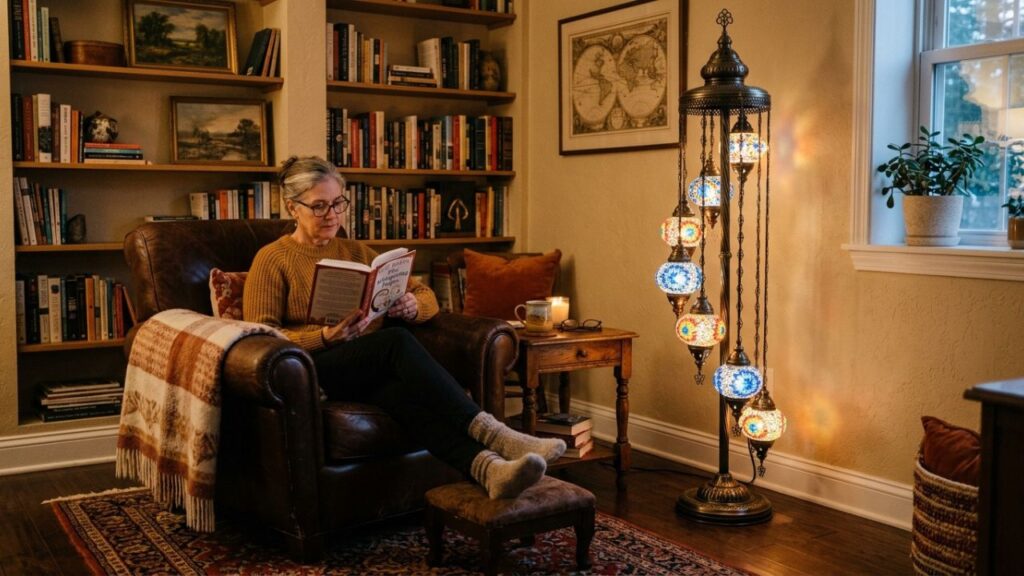
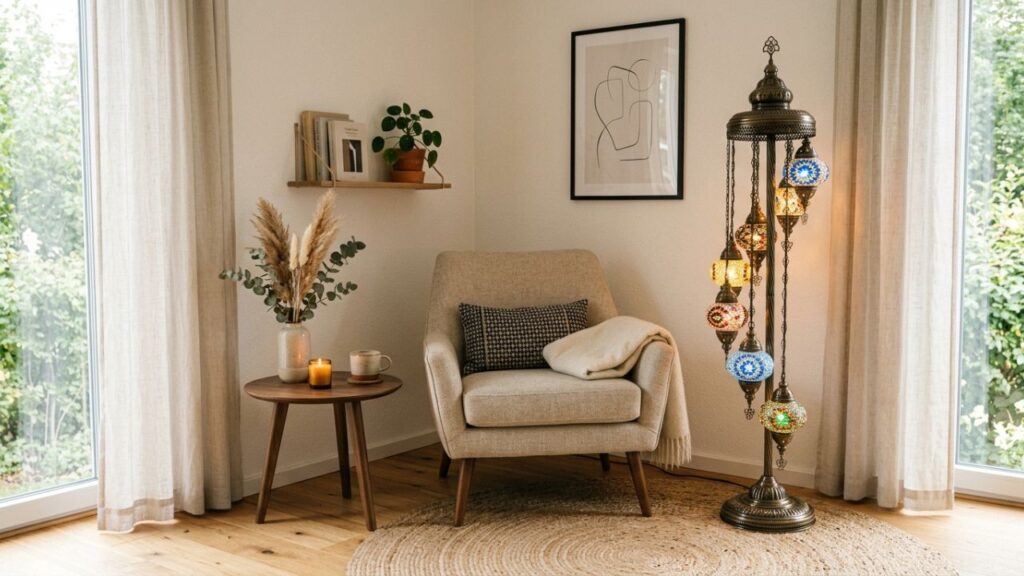
- Next to a reading chair
- In an empty corner of a living room
- Beside a console table
- Near low seating arrangements
The goal is to allow the lamp to glow gently without blocking movement.
Budget vs Quality
Handcrafted mosaic lamps can vary in price depending on materials and craftsmanship. In general, a well-made lamp will have:
- Even mosaic patterns
- A sturdy base
- Secure wiring
Investing in a quality piece often ensures better durability and long-term enjoyment.
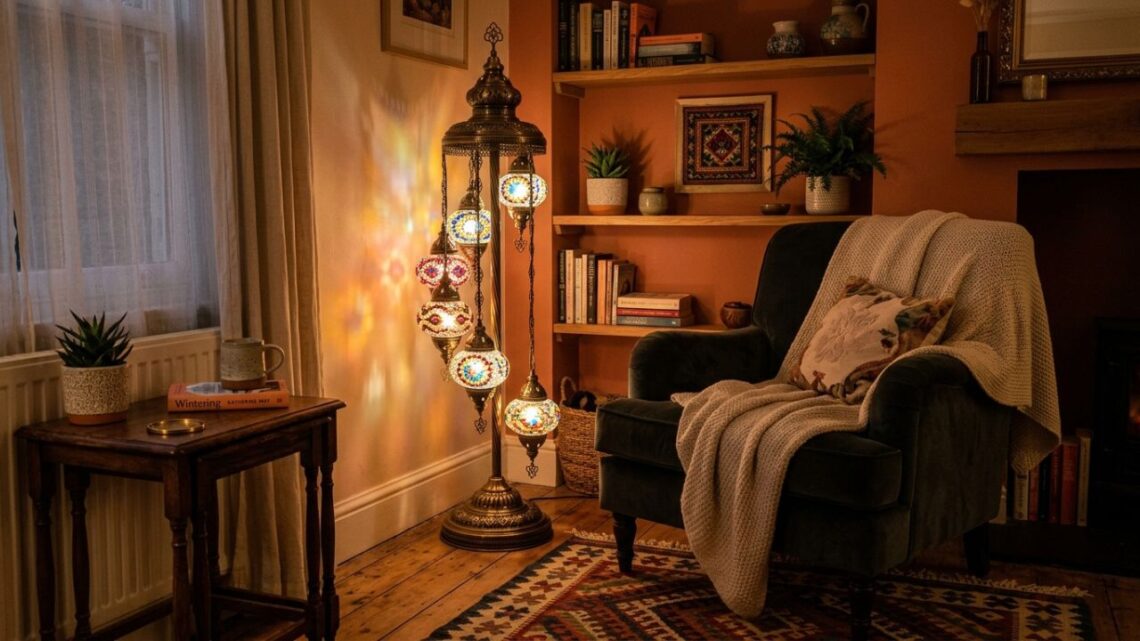
[Image suggestion: Turkish floor lamp placed beside an armchair in a reading corner]
Styling Ideas for Different Rooms
Turkish floor lamps are surprisingly versatile and can work in several parts of the home.
Living Room
The living room is the most common location for a floor lamp.
Styling ideas include:
- Placing it beside a reading chair
- Using it to brighten a quiet corner
- Pairing it with textured rugs and soft cushions
The colored glass glow adds a relaxed evening atmosphere.
Bedroom
In bedrooms, Turkish lamps create soft lighting that feels calming before bedtime.
They work well:
- Near a bedside table
- In a small reading nook
- Beside a dresser
The warm glow helps reduce reliance on harsh overhead lights.
Dining Area
A floor lamp near a dining area can create an inviting environment for casual meals or small gatherings.
Placed slightly away from the table, it adds ambient lighting without interfering with table settings.
Kitchen
While kitchens require brighter task lighting, a Turkish floor lamp can still work in an adjacent breakfast nook or sitting area.
Its decorative presence softens the functional feel of the space.
Small Apartments
In compact homes, decorative lighting often serves multiple purposes.
A single lamp can:
- Add personality
- Provide soft lighting
- Fill an otherwise empty corner
Choosing a slimmer design helps maintain visual openness.
[Image suggestion: Turkish mosaic lamp illuminating a small apartment living space]
Seasonal Styling Ideas
Refreshing décor seasonally helps a home feel dynamic without requiring major changes.
Spring and Summer
During warmer months, consider lighter styling around the lamp.
Ideas include:
- Pairing it with light linen curtains
- Adding neutral or pastel cushions
- Keeping surrounding décor minimal
The colorful glass naturally reflects daylight and keeps the room feeling airy.
Fall and Winter
Cooler seasons invite deeper textures and warmer tones.
You might try:
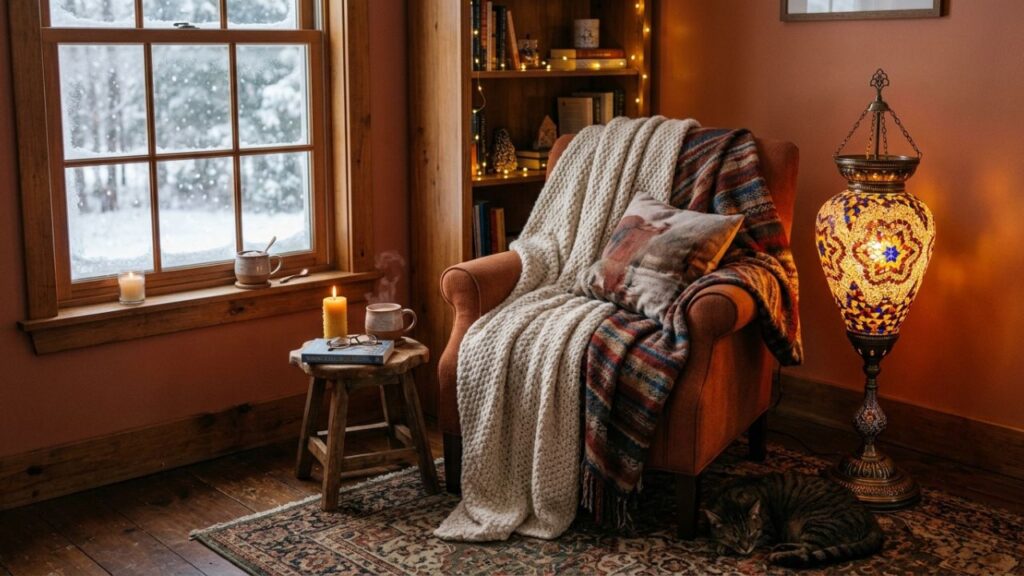
- Layering soft throws nearby
- Using darker accent pillows
- Placing the lamp near a reading chair
The warm glow becomes especially comforting on darker evenings.
[Image suggestion: Cozy winter living room with Turkish lamp beside a blanket-covered chair]
Maintenance & Care Tips
With basic care, Turkish floor lamps can remain beautiful for many years.
Cleaning
Dust the lamp regularly using a soft cloth. For deeper cleaning:
- Use a slightly damp cloth on glass mosaics
- Avoid harsh chemical cleaners
- Dry immediately to prevent streaks
Storage Tips
If storing the lamp during a move or renovation:
- Wrap the mosaic shade in soft cloth or bubble wrap
- Store upright if possible
- Keep it away from heavy items
Longevity Advice
Use appropriate light bulbs that match the lamp’s wattage recommendations. Lower-watt warm bulbs often enhance the soft glow.
Safety Considerations
Ensure the lamp stands on a stable surface and that cords are safely positioned away from walkways.
Common Mistakes to Avoid
Even beautiful décor can lose its impact if placed incorrectly.
Scale Imbalance
A lamp that is too tall or too wide for the space can overwhelm nearby furniture.
Overcrowding Decorative Items
If the surrounding area already contains many decorative pieces, the lamp may feel visually lost. Give it room to stand out.
Poor Placement
Avoid placing the lamp where it blocks pathways or competes with strong overhead lighting.
Ignoring Proportion
Interior styling works best when furniture, lighting, and accessories feel balanced in size and spacing.
[Image suggestion: Balanced living room corner featuring a Turkish floor lamp and minimal décor]
Related Home Décor Articles
If you enjoy thoughtful interior styling, you may also find these guides helpful:
- How to Design a Cozy Living Room Reading Corner
- Simple Ways to Layer Lighting in Small Spaces
- Decorative Trays for Coffee Tables: Styling Ideas for Everyday Living
- Creating Warm and Inviting Corners in Open-Plan Homes
- Choosing Accent Lighting for Relaxed Evenings
These topics explore practical ways to add warmth and personality to everyday living spaces.
Frequently Asked Questions
Are Turkish floor lamps suitable for modern interiors?
Yes. While they originate from traditional design, many Turkish lamps blend well with modern spaces, especially when used as a single accent piece.
What type of bulb works best for these lamps?
Warm LED bulbs or low-watt incandescent bulbs usually create the soft glow that highlights the mosaic glass patterns.
Do Turkish floor lamps provide enough light for reading?
They can work for light reading when placed close to a chair, but they are primarily designed for ambient lighting rather than bright task lighting.
Can they be used in small apartments?
Absolutely. Slim designs or single-globe lamps fit nicely into compact spaces and can add personality without taking up much room.
Are mosaic lamps fragile?
The glass pieces are durable but should still be handled carefully. With normal use and proper placement, they hold up well over time.
How do I match the lamp colors with my décor?
Choose colors that complement existing textiles, rugs, or artwork. Neutral interiors often pair well with blue or soft gold tones.

Conclusion
Thoughtful lighting has the power to transform a room from purely functional to warmly inviting. Turkish floor lamps achieve this through their soft glow, colorful glass mosaics, and decorative craftsmanship.
Rather than dominating a space, they quietly enrich it. A well-placed lamp can soften corners, highlight textures, and encourage the relaxed atmosphere many people seek at home.
Decorating is often about small details that gradually shape how a space feels. Over time, pieces like a beautifully crafted lamp become part of daily routines—casting gentle light during evening conversations, quiet reading moments, or peaceful nights at home.
When chosen thoughtfully, a Turkish floor lamp can offer both beauty and comfort for years to come.
About the Author
The author is a home décor enthusiast who enjoys exploring practical ways to create warm, welcoming living spaces. With a particular interest in lighting, textures, and thoughtful styling details, they share approachable ideas that help readers make everyday homes feel more personal and comfortable. Through simple design insights, their goal is to show how small decorative choices can shape the atmosphere of a room.