Introduction
Decorative candles are more than simple sources of light — they are subtle design elements that shape the mood and character of a space. Whether sculptural, minimalist, rustic, or refined, candles add warmth in a way few décor pieces can. Their soft glow instantly shifts a room from functional to inviting.
In home décor, ambience matters just as much as furniture placement or wall color. Lighting influences how textures appear, how colors feel, and how comfortable a space becomes at the end of the day. Decorative candles offer a gentle, layered light that feels intimate and intentional.
They benefit nearly every type of home — from spacious houses to compact apartments. In smaller spaces especially, I’ve found that a pair of slim taper candles on a console can provide enough atmosphere without adding clutter.
Thoughtfully chosen and styled, decorative candles help create a calm, stylish home that feels lived-in yet refined.
What Is Decorative Candles?
Decorative candles are candles designed not only for illumination but also as visual accents within interior spaces. They serve a dual purpose: practical lighting and aesthetic enhancement.
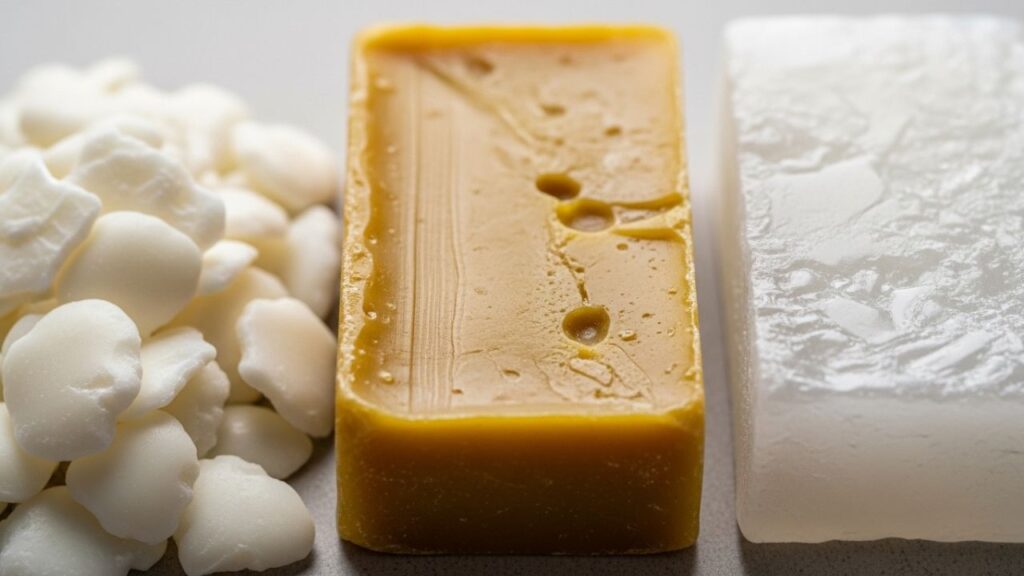
Common Materials
Most decorative candles are made from:
- Paraffin wax
- Soy wax
- Beeswax
- Coconut wax blends
Each material offers a different burn quality, finish, and sustainability profile. Soy and beeswax are often preferred for their cleaner burn and subtle scent retention, while paraffin remains widely available and affordable.
Popular Styles
Decorative candles come in various forms:
- Pillar candles
- Taper candles
- Votive candles
- Sculptural or molded shapes
- Ribbed or textured designs
Some feature neutral matte finishes, while others incorporate metallic accents or earthy tones.
Functional and Decorative Purpose
Functionally, candles provide low-level ambient lighting. Decoratively, they:
- Add height variation to surfaces
- Introduce soft texture
- Create focal points
- Complement seasonal styling
They are among the simplest décor elements, yet their impact on atmosphere is surprisingly significant.

How It Enhances Your Home Ambience
Lighting Impact
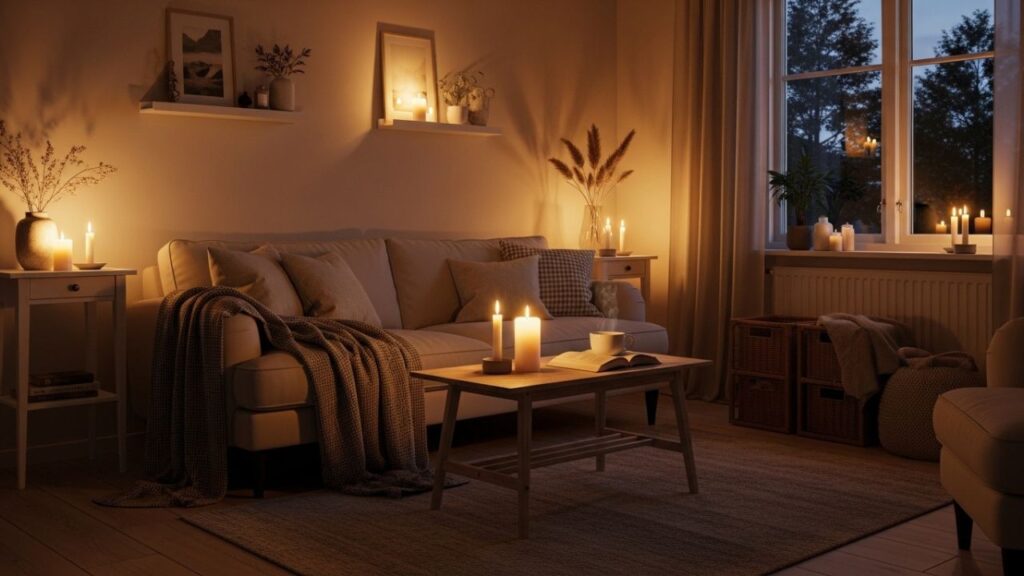
Candlelight produces a warm, flickering glow that softens harsh edges and shadows. Unlike overhead lighting, which can feel flat, candles create depth and intimacy.
This type of lighting works especially well in the evenings, when natural light fades and rooms benefit from layered illumination.
Texture and Visual Balance
Decorative candles introduce subtle texture through:
- Ribbed surfaces
- Matte finishes
- Sculptural forms
- Natural wax tones
When placed alongside wood, linen, or ceramic, candles balance hard surfaces and prevent a room from feeling overly structured.
Emotional and Psychological Comfort
There’s a reason candlelight is often associated with relaxation. The gentle movement of a flame encourages slower moments and quiet reflection.
Even unscented candles contribute to psychological comfort by signaling transition — from work mode to rest mode.
Design Layering Principles
Interior designers often layer lighting in three levels:
- Ambient lighting (ceiling fixtures)
- Task lighting (lamps)
- Accent lighting (candles)
Decorative candles function as accent lighting, completing the visual composition of a room. When layered thoughtfully, they prevent spaces from feeling one-dimensional.
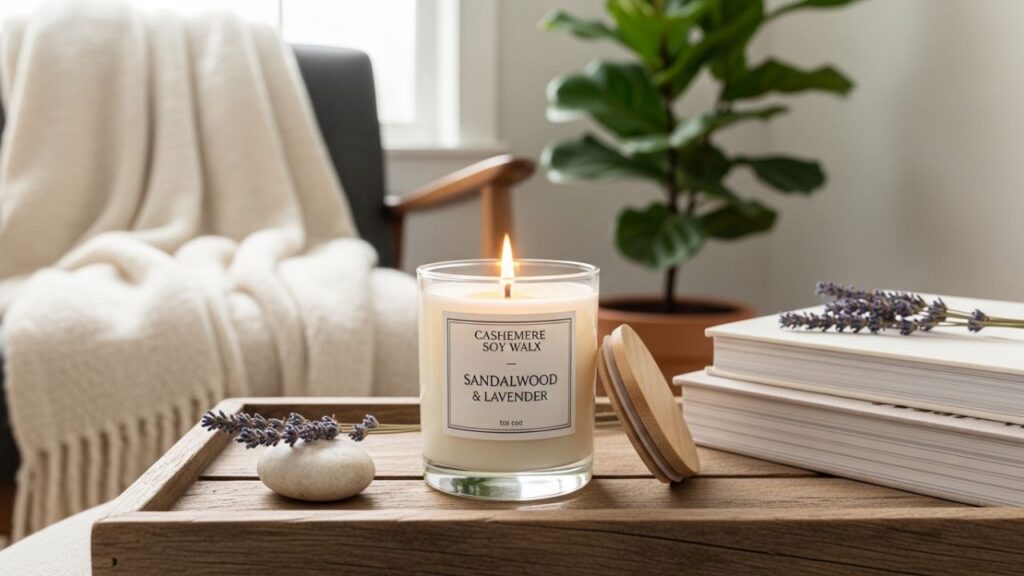
Buying Guide – What to Look For
Choosing decorative candles involves more than selecting a pleasant color.
Size Considerations
Scale matters.
- Large pillar candles suit wide dining tables or fireplace mantels.
- Slim taper candles work beautifully in smaller apartments.
- Votives are ideal for bathroom counters or bedside trays.
In compact spaces, grouping three small candles often looks more balanced than one oversized piece.
Materials Comparison
Paraffin Wax
Pros: Affordable, widely available
Cons: Can produce soot if low quality
Soy Wax
Pros: Cleaner burn, renewable source
Cons: Slightly softer, may dent easily
Beeswax
Pros: Long burn time, subtle honey tone
Cons: Higher price point
Color and Finish Coordination Tips
- Match candle tones to your room’s undertones (warm beige, cool gray, soft white).
- Use contrast intentionally — dark candles on light surfaces create depth.
- Stick to a cohesive palette to avoid visual clutter.
Neutral shades such as ivory, taupe, and soft charcoal remain timeless and easy to rotate seasonally.
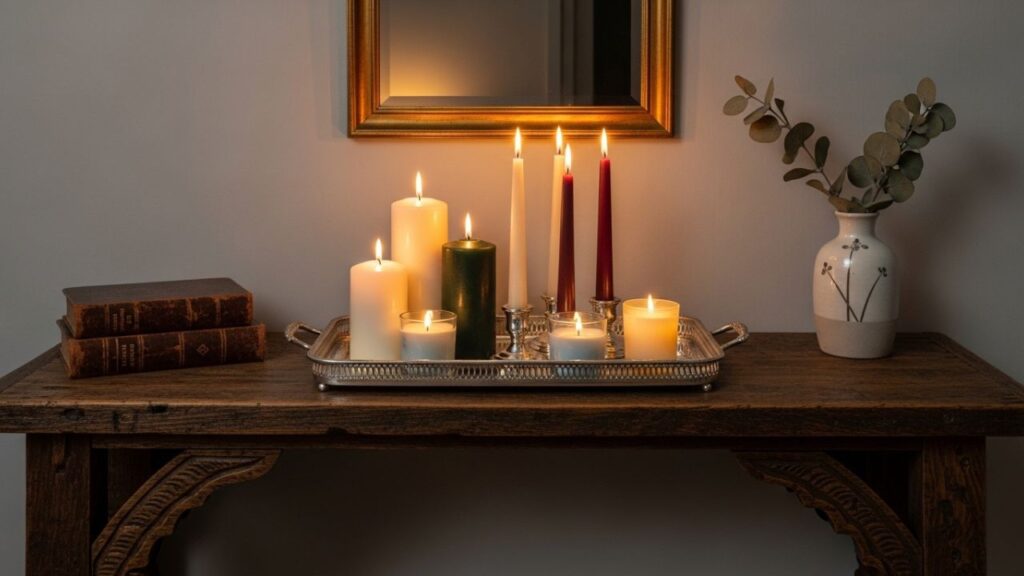
Placement Strategy Tips
- Use trays to anchor candle groupings.
- Vary heights for visual interest.
- Leave breathing room around arrangements.
Avoid placing candles where they compete with larger statement pieces.
Budget vs Quality Considerations
While inexpensive candles are widely available, investing in higher-quality wax often results in:
- Cleaner burning
- Longer lifespan
- More refined appearance
It’s not about luxury — it’s about longevity and thoughtful purchasing.
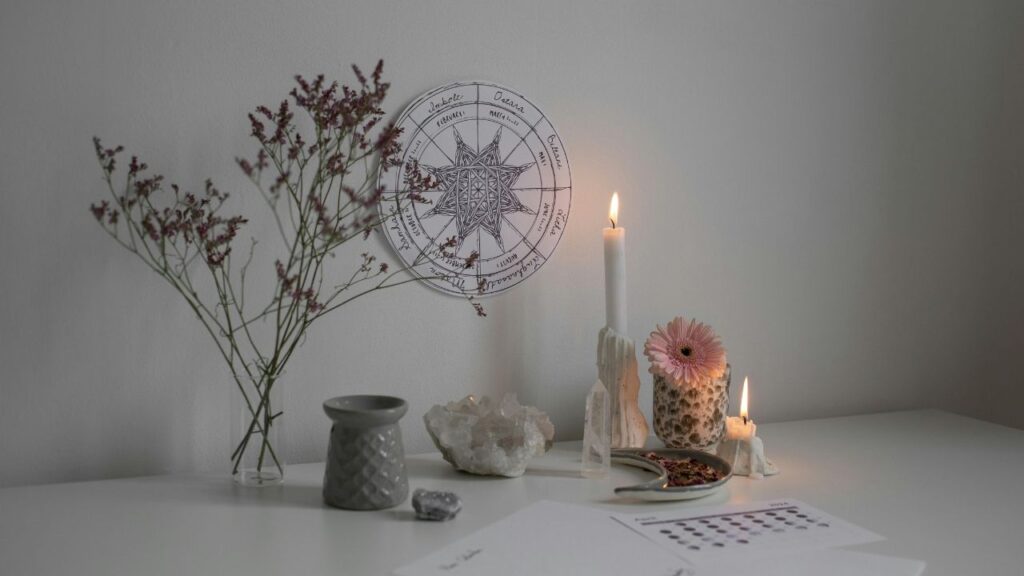
Styling Ideas for Different Rooms
Living Room
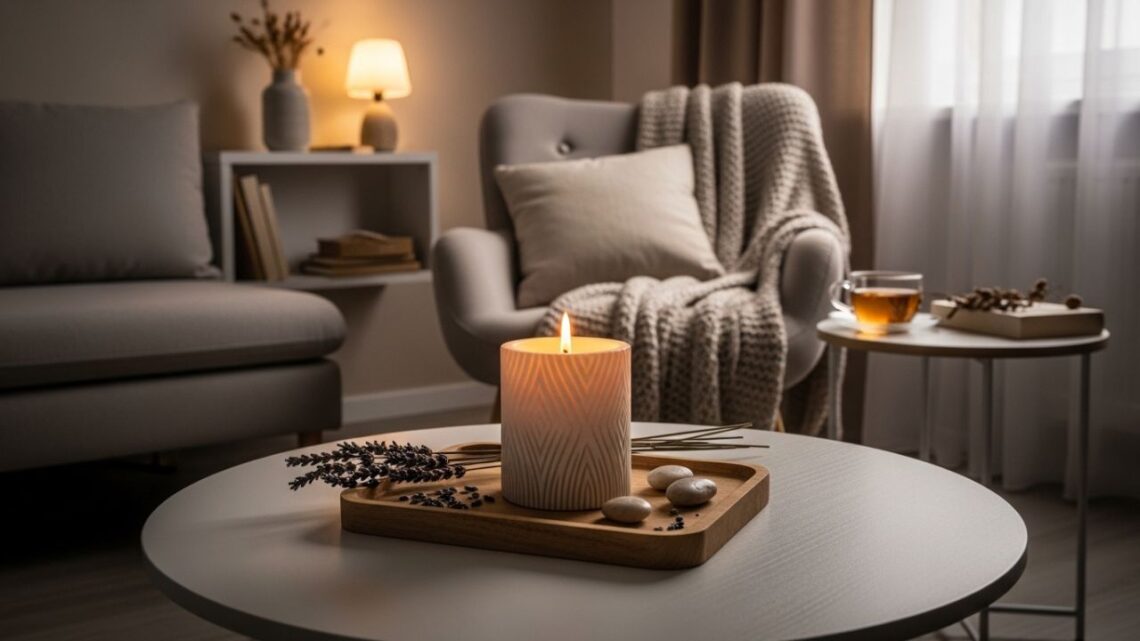
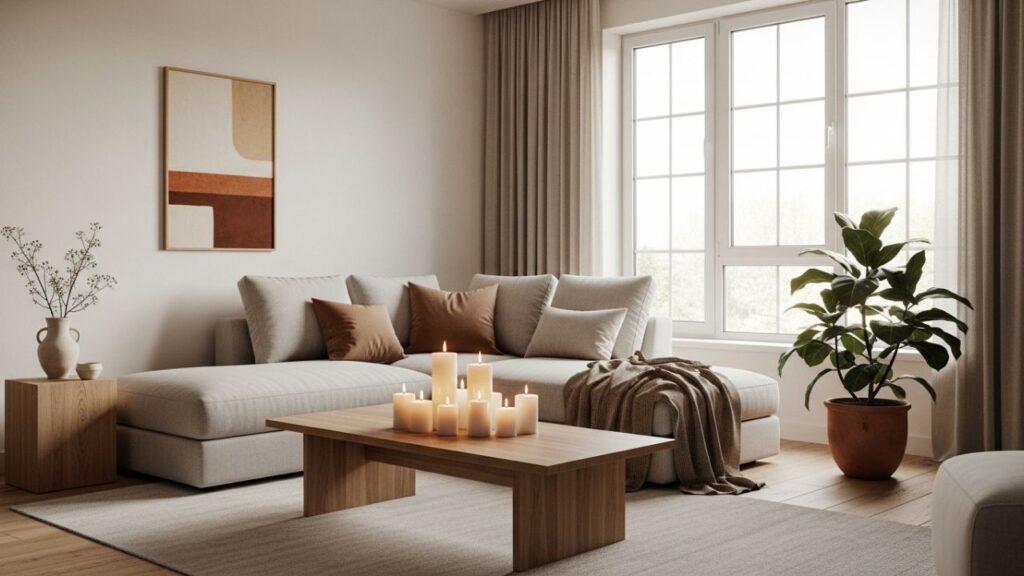
In living rooms, candles can anchor coffee tables or console displays.
Try pairing:
- Two pillar candles
- A stack of books
- A small ceramic bowl
This creates height variation without overcrowding.
Bedroom
Bedrooms benefit from soft, minimal candle styling.
Place:
- A single sculptural candle on a bedside table
- Or two small votives on a dresser tray
The effect is calming without being distracting.
Dining Area
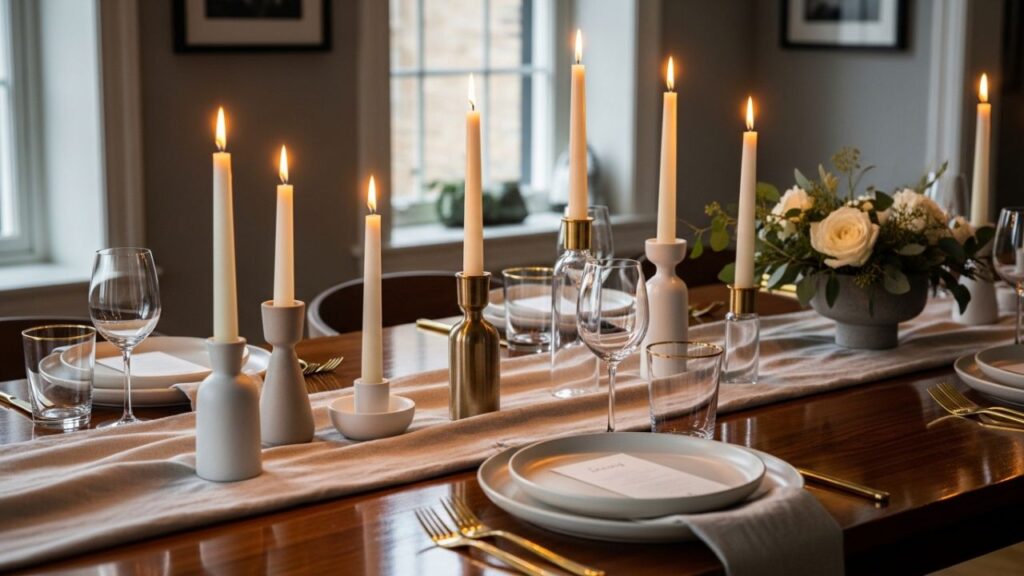
For dining spaces, taper candles in understated holders create elegant lines without overwhelming the table.
Keep arrangements low enough to allow conversation across the table.
Small Apartments
In smaller apartments, space efficiency is key.
- Use wall-mounted shelves for candle displays.
- Choose slim taper candles instead of bulky pillars.
- Store extras out of sight to prevent clutter.
Even one carefully placed candle can transform a compact room.
Seasonal Styling Ideas
Rotating candles seasonally keeps your décor feeling fresh without major purchases.
Spring and Summer
- Soft whites and pale neutrals
- Lightweight ceramic holders
- Minimal arrangements
Pair candles with natural textures like linen or woven trays.
Fall and Winter
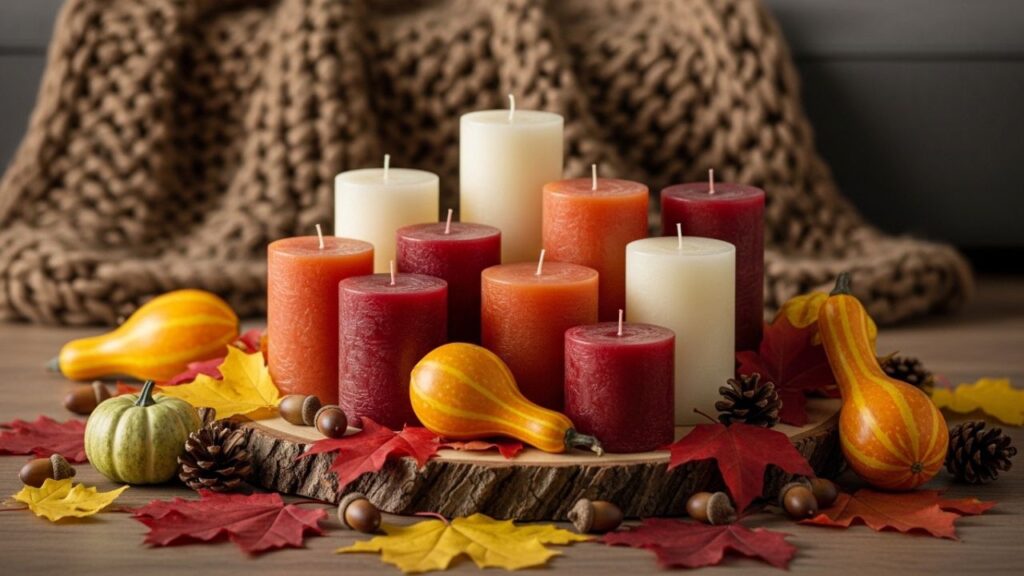
- Deeper tones such as rust, forest green, or charcoal
- Grouped pillar candles for warmth
- Heavier materials like wood or stone bases
Cluster candles together to create cozy focal points during colder months.
Rotating Without Overspending
Instead of buying entirely new sets:
- Swap candle holders
- Rearrange existing pieces
- Introduce one or two seasonal colors
Small adjustments can make your home feel updated without unnecessary expense.
Maintenance & Care Tips
Proper care extends both the life and appearance of decorative candles.
Cleaning Instructions
- Wipe dust gently with a soft cloth.
- Avoid harsh cleaning agents.
- Trim wicks to about ¼ inch before lighting.
Storage Advice
- Store in a cool, dry place.
- Keep out of direct sunlight to prevent fading.
- Wrap delicate sculptural candles in tissue.
Longevity Tips
- Allow the wax to melt evenly across the surface during first burn.
- Avoid drafts that cause uneven melting.
Safety Best Practices
- Never leave a burning candle unattended.
- Keep away from curtains and flammable materials.
- Place on stable, heat-resistant surfaces.
Safety ensures ambience remains enjoyable rather than stressful.
Common Mistakes to Avoid
Scale Imbalance
Oversized candles on small surfaces feel overwhelming. Always measure your available space before purchasing.
Overcrowding
Too many candles can make a room feel busy rather than serene. Leave negative space.
Poor Placement
Avoid placing candles directly under shelves or in narrow pathways.
Ignoring Proportion
Candles should complement, not dominate, surrounding décor. Balance is key.
Related Home Décor Blogs of Our Site
If you enjoy styling with candles, you may also appreciate exploring complementary décor elements.
- Learn how layered lighting enhances ambience in our article on turkish floor lamps.
- Discover how tabletop accents elevate gatherings in our guide to the turkish tea set.
- Add refined kitchen details with our feature on the ceramic sugar bowl.
- For meaningful celebrations, explore thoughtful styling ideas in our post about the baptism candle set.
- Create inviting entertaining spaces with our guide to shop heart shaped charcuterie boards.
These pieces pair beautifully with candle styling and help create a cohesive home atmosphere.
Frequently Asked Questions
1. How many decorative candles should I use in one room?
It depends on room size. In most living rooms, three to five candles styled in groups provide balance without overcrowding.
2. Are scented or unscented candles better for décor?
Unscented candles are often preferable in dining areas. Scented options work well in living rooms and bedrooms if fragrance is subtle.
3. How do I prevent tunneling?
Allow the wax to melt fully across the top during the first burn. This helps create an even surface.
4. Can decorative candles be left unlit?
Absolutely. Many sculptural candles function purely as decorative objects.
5. What color candles are most versatile?
Ivory, soft beige, and muted gray blend easily with most interiors.
6. How often should I replace candles?
Replace when wax becomes uneven, heavily sooted, or no longer burns cleanly.
Conclusion
Decorative candles are quiet contributors to a beautiful home. They don’t demand attention, yet they shape the atmosphere in subtle, meaningful ways.
By choosing appropriate sizes, coordinating colors thoughtfully, and styling with restraint, you can create spaces that feel calm and cohesive. Whether placed on a dining table, bedside tray, or living room console, candles offer warmth that feels intentional rather than excessive.
A well-designed home is rarely about dramatic statements. More often, it’s about layering comfort, balance, and small details that make everyday living feel a little more considered.